

Best 3 Zone DIY Mini Splits Announced by Ductless 4 Less
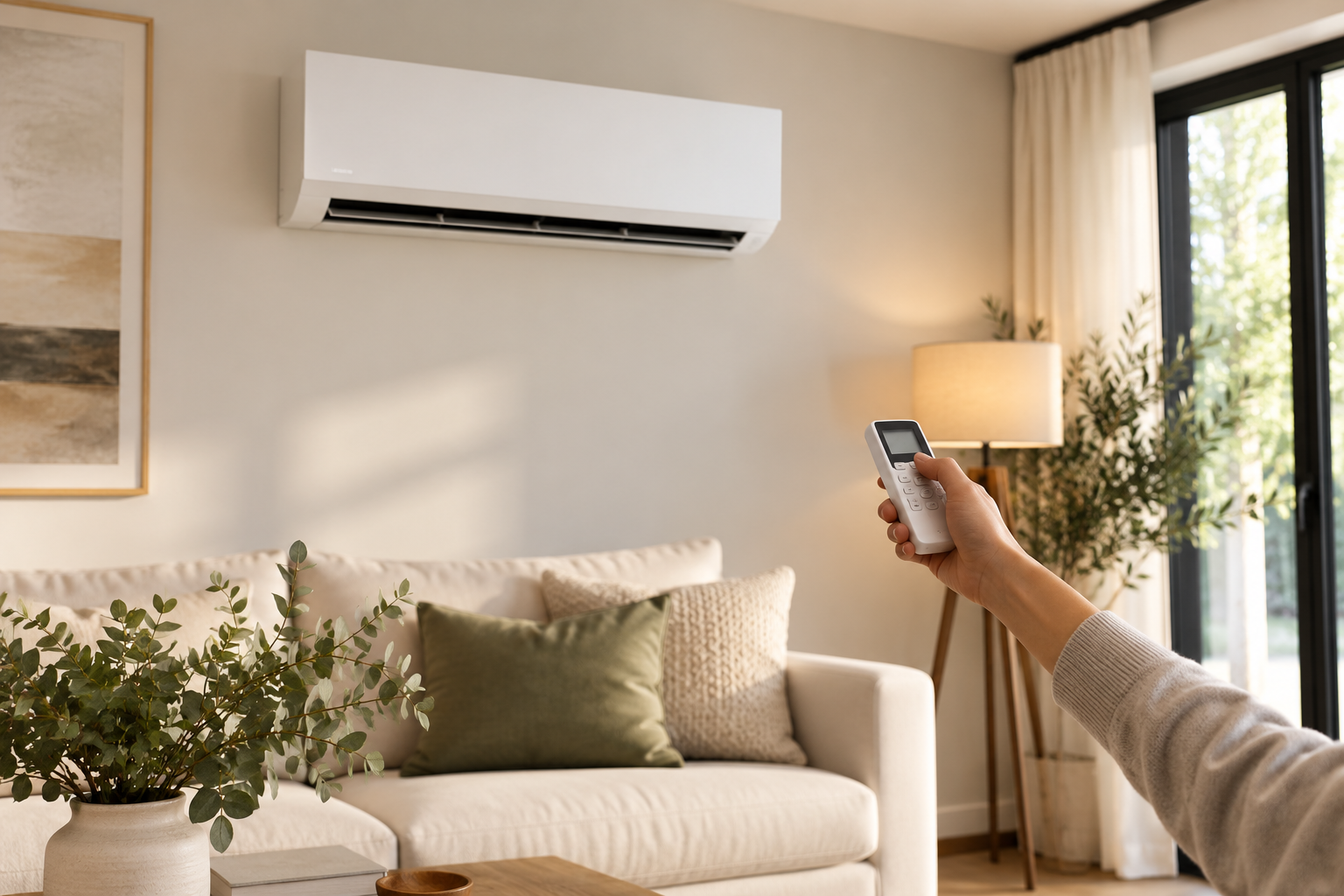
Multi Zone DIY Mini Split
Zone Air takes top spot in 2-3 Zone DIY Mini Split System Rankings for 2026, with Cooper and Hunter taking the Second Spot.
SALT LAKE CITY, UT, UNITED STATES, September 7, 2026 /EINPresswire.com/ -- Ductless4Less.com, an online HVAC Distributor of ductless heating and cooling systems, has released its 2026 guide to the best DIY 3-zone mini split systems, comparing several of the most prominent options available to homeowners seeking independent heating and cooling across multiple rooms.The newly published guide, “Best DIY 3 Zone Mini Split 2026,” examines systems from Zone Air, MRCOOL and Cooper & Hunter across factors including installation requirements, efficiency, cold-weather performance, warranty coverage, refrigerant technology and estimated total project cost.
After comparing the systems, Ductless4Less selected Zone Air as its Best Overall DIY 3-Zone Mini Split for 2026, citing its combination of pre-charged quick-connect line sets, homeowner-installable design, efficiency ratings and warranty terms for qualifying DIY installations.
The guide also identifies Cooper & Hunter Hyper Heat as its preferred professionally installed option for extreme cold climates, while advising buyers to carefully research MRCOOL’s recent customer-support and warranty experiences before purchasing.
Ductless4Less says the growing availability of DIY-oriented equipment is also changing the economics of installing multi-zone systems.
According to cost ranges examined in the guide, a professionally installed three-zone ductless system can cost approximately $7,000 to $12,000 when equipment, HVAC labor, electrical work and related expenses are included. A comparable project using equipment specifically designed for homeowner installation can potentially reduce the total cost by eliminating a significant portion of HVAC installation labor.
The actual cost of any installation varies considerably depending on equipment, electrical requirements, line-set lengths, building layout, permitting and local labor rates.
What Makes a Mini Split Truly DIY?
One of the central issues addressed by the new guide is the increasingly broad use of the term “DIY mini split.”
Ductless4Less argues that there is an important distinction between equipment that homeowners can partially install and equipment engineered so homeowners can complete the refrigerant connections without conventional HVAC evacuation and charging procedures.
The guide evaluates a true DIY system using four primary characteristics: factory pre-charged refrigerant lines, quick-connect fittings, installation without conventional refrigerant-service equipment and manufacturer warranty terms that permit homeowner installation when installation requirements are followed.
Traditional mini-split installations generally use copper flare connections. After the indoor and outdoor equipment is mounted and connected, the refrigerant lines must typically be pressure tested and evacuated with specialized equipment before the system is commissioned.
Pre-charged quick-connect systems are designed to eliminate several of those steps by keeping refrigerant sealed within factory-prepared components until the connections are completed.
That difference becomes increasingly important on a three-zone project because the homeowner must connect multiple indoor units to a single outdoor condenser.
Ductless4Less selected the Zone Air 3-Zone DIY Series as its best overall DIY option for 2026.
According to specifications reviewed for the guide, the system is available in configurations that can pair multiple indoor-unit capacities with a multi-zone outdoor condenser, including arrangements designed for three similarly sized rooms as well as mixed-capacity layouts.
The guide highlights a three-zone configuration using three 12,000 BTU indoor units and reports efficiency of up to 24 SEER2, an HSPF2 rating of 10.5 in Region IV and operation at outdoor temperatures down to -13°F, based on the specifications reviewed.
Zone Air’s system also uses R-454B refrigerant and pre-charged quick-connect line sets designed to eliminate conventional vacuum-pump and field-flaring procedures during installation.
Ductless4Less additionally cited Zone Air’s published warranty coverage as an important consideration for DIY buyers. The guide reports five-year parts and seven-year compressor coverage under applicable warranty terms, including qualifying homeowner installations completed according to manufacturer requirements.
The guide estimates that a complete three-zone Zone Air project can fall around the mid-$4,000 to mid-$5,000 range when equipment, three line sets, electrical work and basic installation materials are considered, although actual project costs will vary.
Cold-Climate Buyers Face a Different Calculation
The guide found that the best choice can change for homeowners living in areas that regularly experience extreme winter temperatures.
For that category, Ductless4Less selected Cooper & Hunter’s Hyper Heat multi-zone equipment as its preferred professionally installed cold-climate option.
Specific Hyper Heat configurations reviewed by the publication are rated for heating operation at temperatures as low as -22°F, giving them an advantage for homeowners whose primary concern is very-low-temperature heating performance.
The tradeoff is installation.
Unlike the pre-charged DIY approach highlighted in the Zone Air system, the Cooper & Hunter equipment discussed in the guide uses conventional installation procedures requiring evacuation and other commissioning work. The guide also advises consumers to review professional-installation requirements associated with warranty coverage before purchasing.
For homeowners in particularly cold regions, Ductless4Less says the additional installation expense may be worthwhile when low-temperature heating capacity takes priority over DIY convenience.
Guide Encourages Buyers to Look Beyond Equipment Price
Another major conclusion of the report is that consumers should avoid comparing multi-zone systems based solely on their advertised equipment prices.
A lower-priced condenser and indoor-unit package can ultimately cost more if professional HVAC labor is required to activate the system or maintain warranty eligibility.
Conversely, a more expensive DIY-oriented system may produce a lower completed-project cost when the homeowner can perform mounting, line routing and refrigerant connections without hiring an HVAC contractor.
Electrical work, however, remains a separate consideration. Multi-zone systems commonly require dedicated 208-230V electrical service, and homeowners should follow local electrical codes, permitting requirements and licensing rules.
Ductless4Less also recommends properly sizing each individual room rather than simply dividing the outdoor condenser’s advertised capacity by three.
Bedrooms, offices, large living areas and open-plan spaces can have substantially different heating and cooling loads. Climate, insulation, ceiling height, windows, sun exposure and other building characteristics can further affect required capacity.
The complete “Best DIY 3 Zone Mini Split 2026” guide, including system specifications, cost comparisons, sizing information, installation considerations and brand-by-brand analysis, is available at Ductless4Less.com.
Avery Lang
Ductless4Less
support@ductless4less.com
Legal Disclaimer:
EIN Presswire provides this news content "as is" without warranty of any kind. We do not accept any responsibility or liability for the accuracy, content, images, videos, licenses, completeness, legality, or reliability of the information contained in this article. If you have any complaints or copyright issues related to this article, kindly contact the author above.
